Almost everything written about when to visit the Maasai Mara is really about the migration. That is a fair reason to go, but it is not the only one, and it is not always the best one.
July to October: the migration window
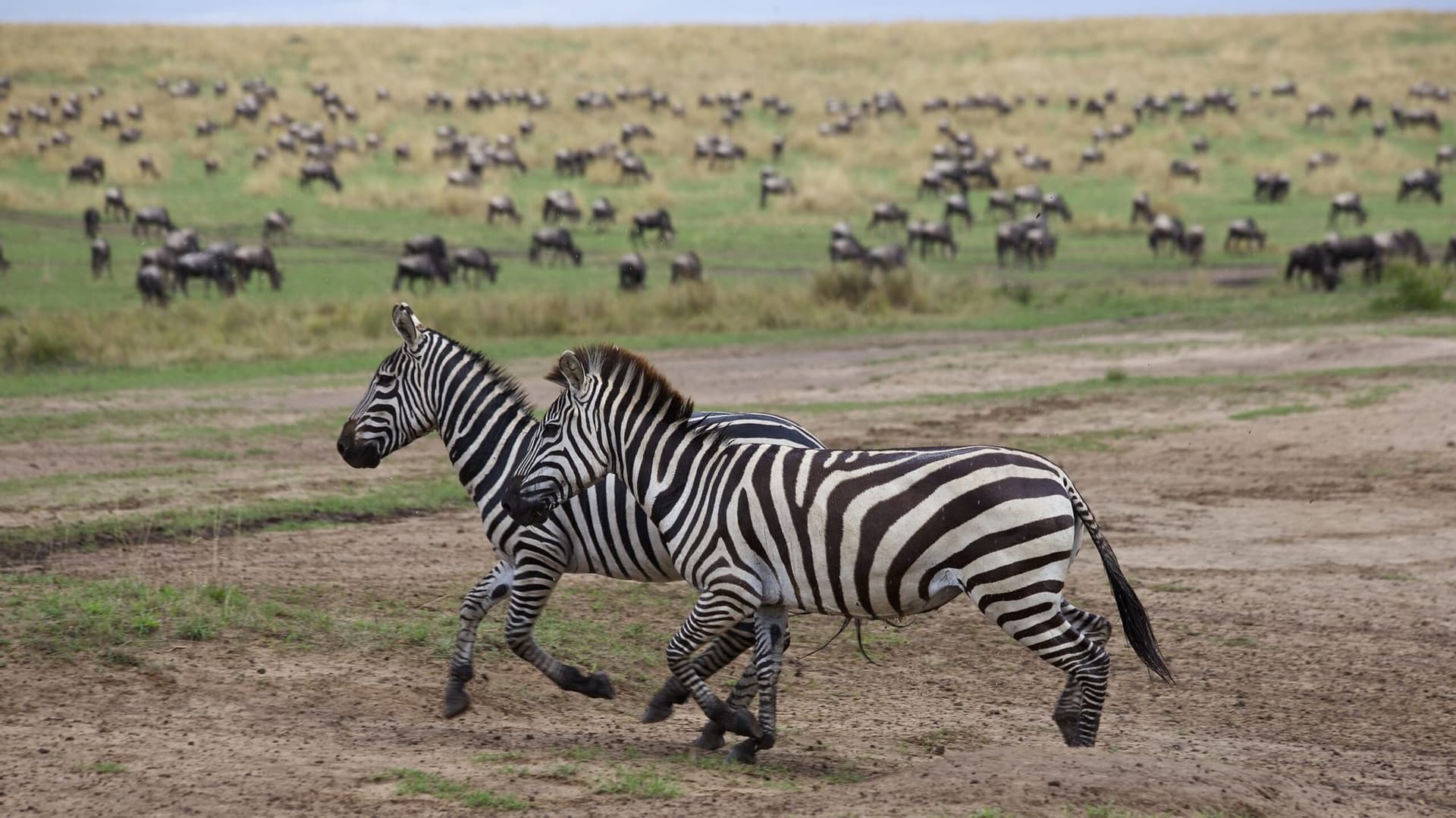
The herds are usually in the Mara through these months, and the Mara river crossings are possible. It is also the driest period, which concentrates game near water and makes the tracks easy.
The trade-off is cost and company. This is peak season: rates are at their highest, camps book out months ahead, and popular sightings draw a crowd of vehicles. If you come in August expecting solitude, you will be disappointed.
January to March: the quiet dry season
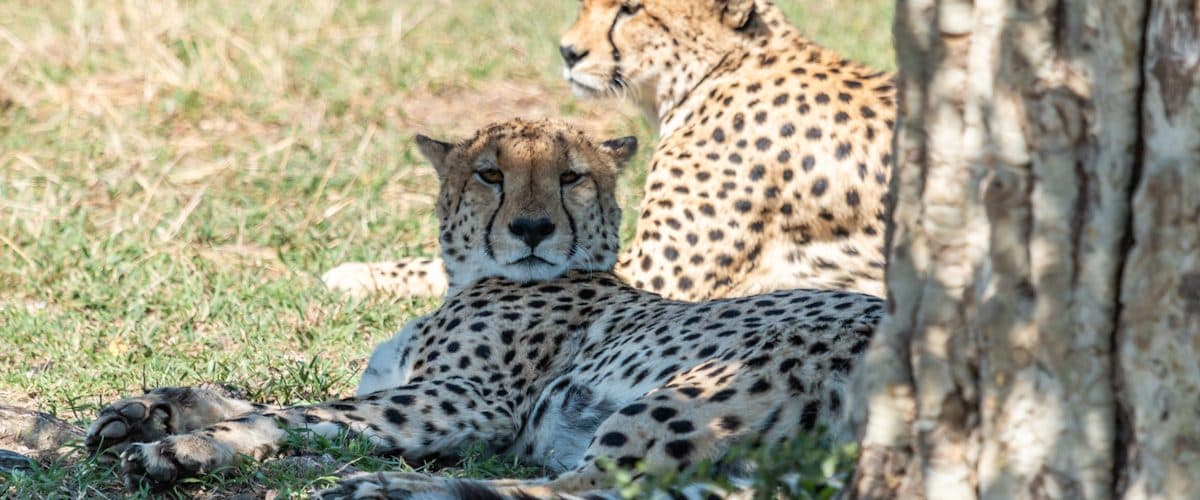
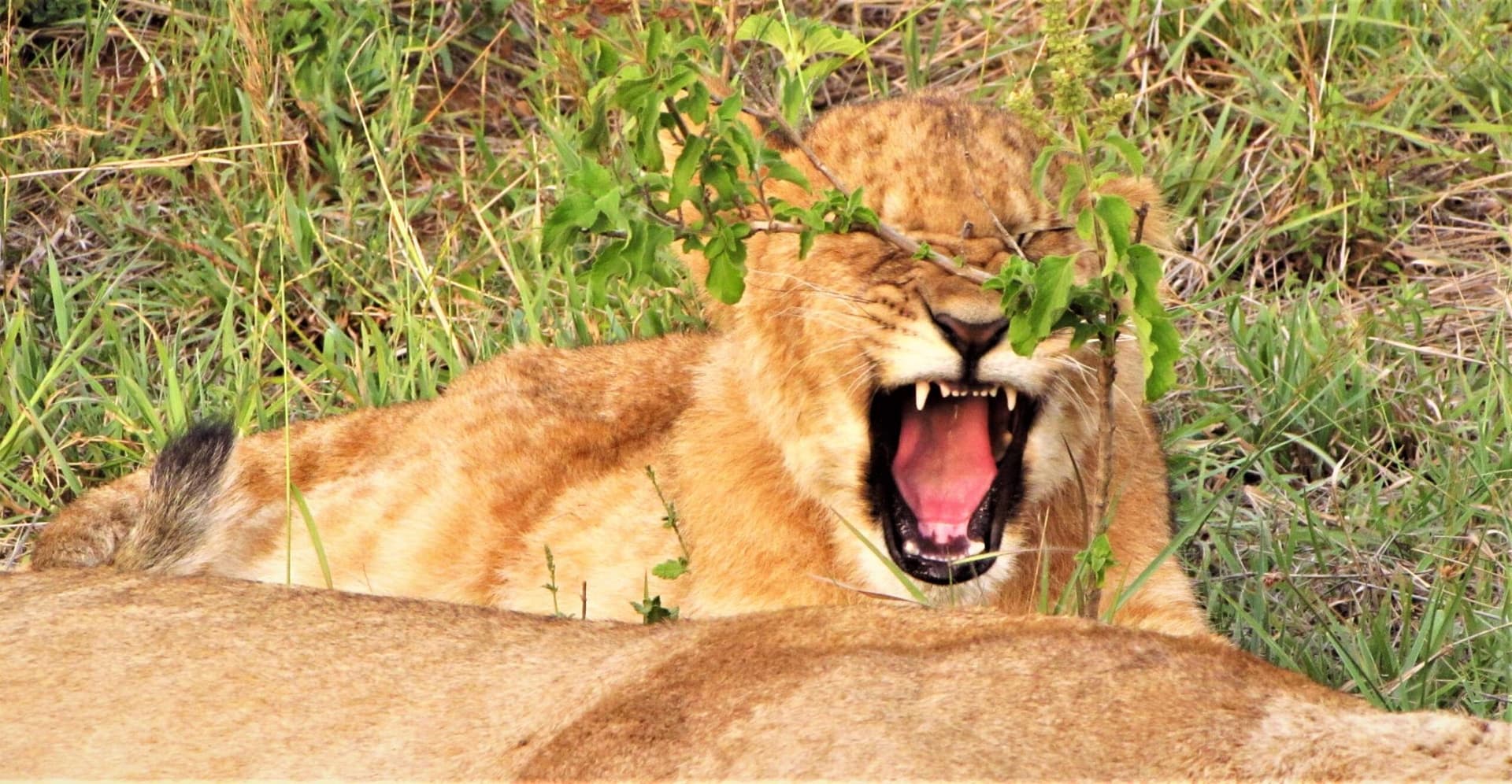
Warm, dry and far quieter. The resident wildlife is still there — the Mara's lion density does not leave with the wildebeest — and predator viewing is often excellent because the grass is short.
For a first safari with no fixed dates, this is frequently the better window. You get the same animals, better light, fewer vehicles and lower rates.
April and May: the long rains
Green, very quiet and cheap. Rain usually comes in heavy afternoon bursts rather than all day, but black-cotton soil tracks can become difficult and some camps close.
Worth it if you want the Mara almost to yourself and do not mind a few disrupted drives. Photographers often prefer the light and the green.
November and December: the short rains
Brief afternoon showers, green landscapes and good value. Game viewing stays strong and the crowds have gone. This is an underrated window.
One honest caveat
Migration timing shifts every year because it follows rainfall, not a calendar. Any operator who tells you exactly when the herds will cross the Mara river is guessing. We will tell you what is typical for your dates and what the current season is doing, and leave it there.