
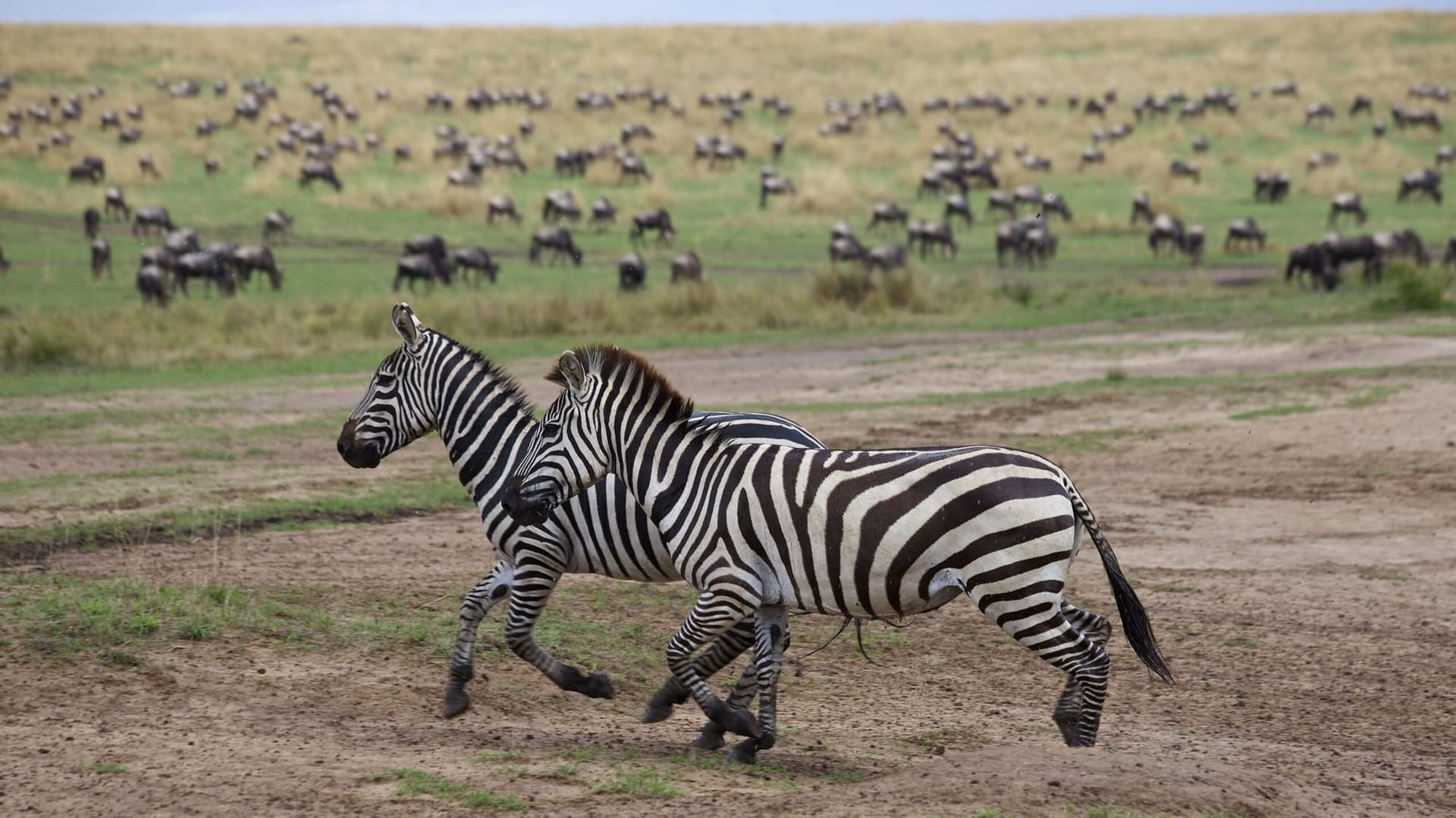
A month-by-month guide to likely herd regions across the Serengeti and Maasai Mara.

Safari style 02

Great Migration

A month-by-month guide to likely herd regions across the Serengeti and Maasai Mara.

What it means

Plan around a likely region and season, with honest limits on what any migration safari can promise.

The Great Migration is a continuous movement through the Serengeti–Mara ecosystem, driven by access to water and fresh grazing. It is not a single event and it does not keep fixed dates.

The broad annual pattern moves from the southern Serengeti and Ndutu plains through central and western Serengeti, then north toward the Mara ecosystem before returning south with the rains. Conditions can shift that pattern by weeks and distribute the herds across several areas at once.

No operator can guarantee a river crossing on a given date. The honest planning task is to choose the most plausible region for your month, then build enough flexibility to enjoy the wider migration even if no crossing happens during your stay.

Plan by month

Choose a likely region, not a guaranteed sighting.

Start with your travel month, then match it to the broadest likely part of the Serengeti–Mara ecosystem. Rainfall and grazing can move the herds earlier, later or across several areas at once.

January–March

Southern Serengeti and the Ndutu plains

The herds are typically spread across the short-grass plains that straddle southern Serengeti and the Ngorongoro Conservation Area. Calving is usually concentrated around February, but the precise distribution follows rain and fresh grazing.

Landscape
Open short-grass plains, green after the rains, with newborn calves during the main calving period.
Plan around
Choose Tanzania and confirm the actual Serengeti sector and camp for your dates; a generic Serengeti stop is not automatically in the southern calving area.
Plan for January–March

April–May

Southern and central Serengeti, then west and north-west

During the long-rain period the herds may spread across a broad area. North-westward movement often starts during May or June rather than on a fixed date.

Landscape
Green plains and increasingly mixed grassland and woodland toward the western corridor.
Plan around
Build in geographic flexibility. Current rainfall and road conditions matter more than a promise tied to one river or one week.
Plan for April–May

June

Western corridor and the Grumeti area

The broad movement typically progresses through the western Serengeti and toward the north. Grumeti-area crossings may occur, but they are not a scheduled June event.

Landscape
Woodland, open grassland and river environments along the western progression.
Plan around
Use a Tanzania plan and ask where the itinerary will actually spend its Serengeti nights. The right sector matters more than the word ‘Serengeti’ in a route title.
Plan for June

July–October

Northern Serengeti and, seasonally, the Maasai Mara

The northern phase often spans these months, with herds moving through northern Serengeti and sometimes into the Maasai Mara. Mara River crossings may happen on either side of the border, but timing and frequency vary.

Landscape
Northern grasslands, riverine corridors and the Mara ecosystem across Tanzania and Kenya.
Plan around
Choose Kenya for a Mara-focused trip, Tanzania for northern Serengeti, or a longer combination for both. None of those choices guarantees a crossing.
Plan for July–October

November

Northern and central Serengeti, with a variable southward return

Short rains can start drawing the herds south, but the return is uneven. Some groups may still be farther north while others are already moving through central Serengeti.

Landscape
A changing mix of northern woodland, central plains and newly greening country farther south.
Plan around
Treat November as a location-check month. Confirm recent conditions before choosing a Serengeti sector rather than relying on a fixed calendar map.
Plan for November

December

Central to southern Serengeti and the wider Ndutu area

With the short rains, the broad movement generally returns toward the southern grasslands. Distribution can remain scattered, and December is not a promise that calving has begun.

Landscape
Greening central and southern plains as fresh grazing develops after rain.
Plan around
Choose Tanzania and confirm the season’s actual herd distribution. Plan for the wider ecosystem rather than one predicted gathering point.
Plan for December

Kenya or Tanzania?

Follow the phase that matters to you.

Tanzania

More of the annual cycle occurs across the Serengeti and adjacent southern plains: the calving areas, central and western movement, and the northern Serengeti phase. The useful decision is which Serengeti sector fits your month.

Kenya

The Maasai Mara is the northern, seasonal part of the same ecosystem. Choose it for a Mara-focused journey during the broad northern phase, while remembering that resident wildlife remains when the main migratory herds are elsewhere.

Catalogue starting points

Existing routes to shape around your month.

These are real Ndurumo routes, not new migration-only itineraries. The season still determines the right area and stay, particularly inside the Serengeti.

  • Maasai Mara focus

    3 Days Maasai Mara Safari

    3 days / 2 nights · Kenya · Private or Group

    A direct Nairobi–Maasai Mara route when the Kenyan side of the ecosystem is the priority.

    Maasai Mara

    Its short stay gives less time to respond to herd movement, so plan for the Mara experience rather than one crossing moment.

  • Serengeti focus

    4 Days Serengeti & Ngorongoro Crater Safari

    4 days / 3 nights · Tanzania · Private or Group

    A compact Tanzania route with a full Serengeti day before Ngorongoro.

    SerengetiNgorongoro

    The published route does not itself promise a seasonal Serengeti sector. Confirm that its route shape fits the month before booking.

  • Kenya and Tanzania

    12 Days Kenya & Tanzania: Maasai Mara, Lake Nakuru, Amboseli, Arusha, Lake Manyara, Serengeti & Ngorongoro

    12 days / 11 nights · Kenya & Tanzania · Private or Group

    The current combined route with both Maasai Mara and a full Serengeti day, for travellers with enough time for two national circuits.

    Maasai MaraLake NakuruAmboseliArushaLake ManyaraSerengetiNgorongoro

    Covering both countries widens the journey, but it still cannot guarantee the herd location or a river crossing.

Watch well

Patience is part of the experience.

  • Follow your guide’s instructions and let the guide choose a responsible vehicle position.
  • Give herds space to move; do not treat close approach or a crossing as something to force.
  • Expect waiting and changing plans when wildlife or ground conditions require it.
  • Judge the safari by the wider ecosystem and behaviour you see, not one photograph.

Is this you?

This style suits you if…

  • Your dates are flexible enough to follow the herds
  • You want the calving season rather than the crossings, or the other way round
  • You would rather be in the right area than at the famous river on the wrong week
  • You understand that wildlife movement is weather-driven, not scheduled

Plan your safari

Plan a great migration.

Tell us your dates and how long you have, and we will shape a great migration around them.

A guided enquiry, not an instant booking. No obligation.

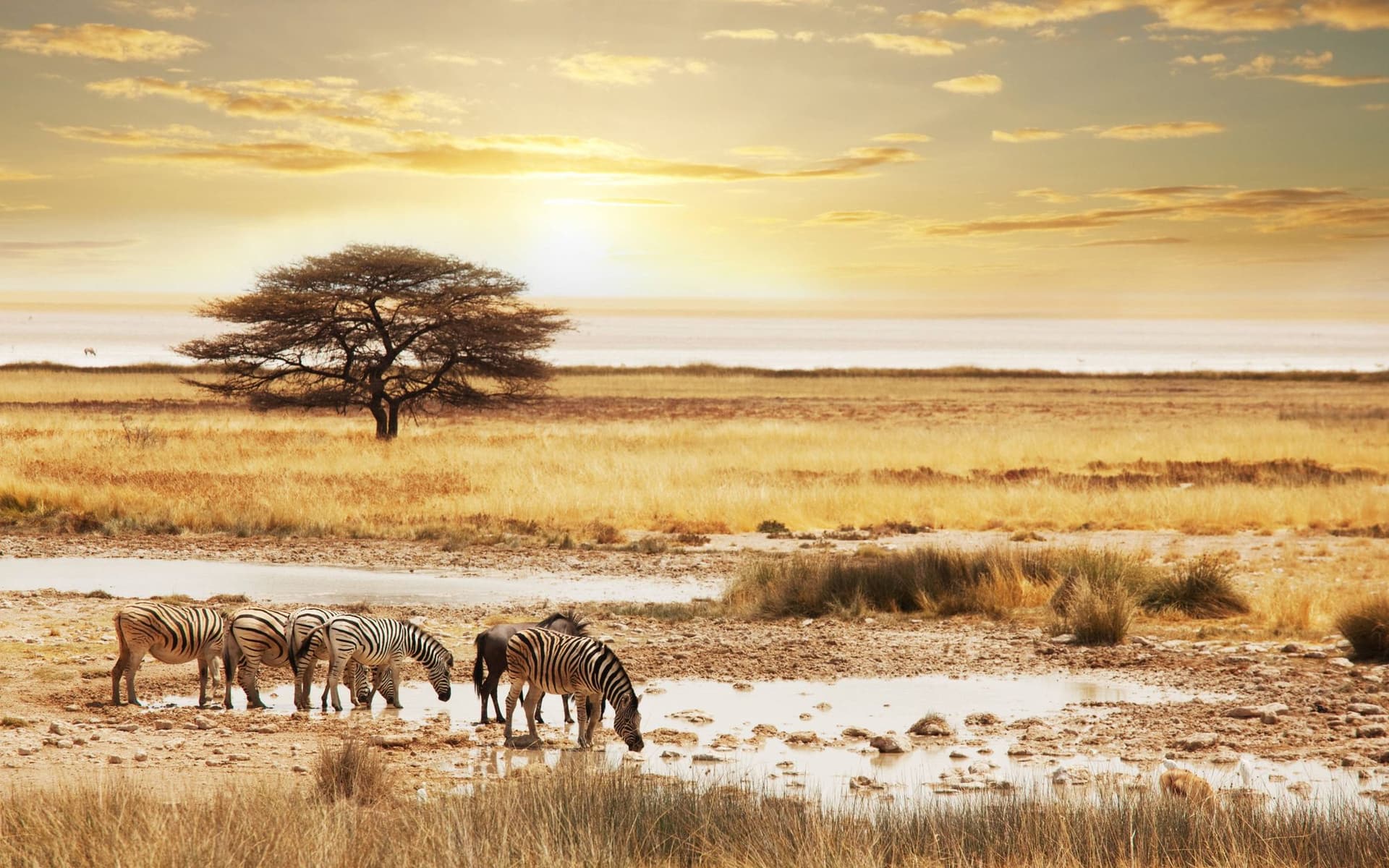
Sunset, acacia, zebra and a waterhole in the Serengeti
WhatsApp