Kenya & Tanzania · East Africa
One ecosystem, two countries.
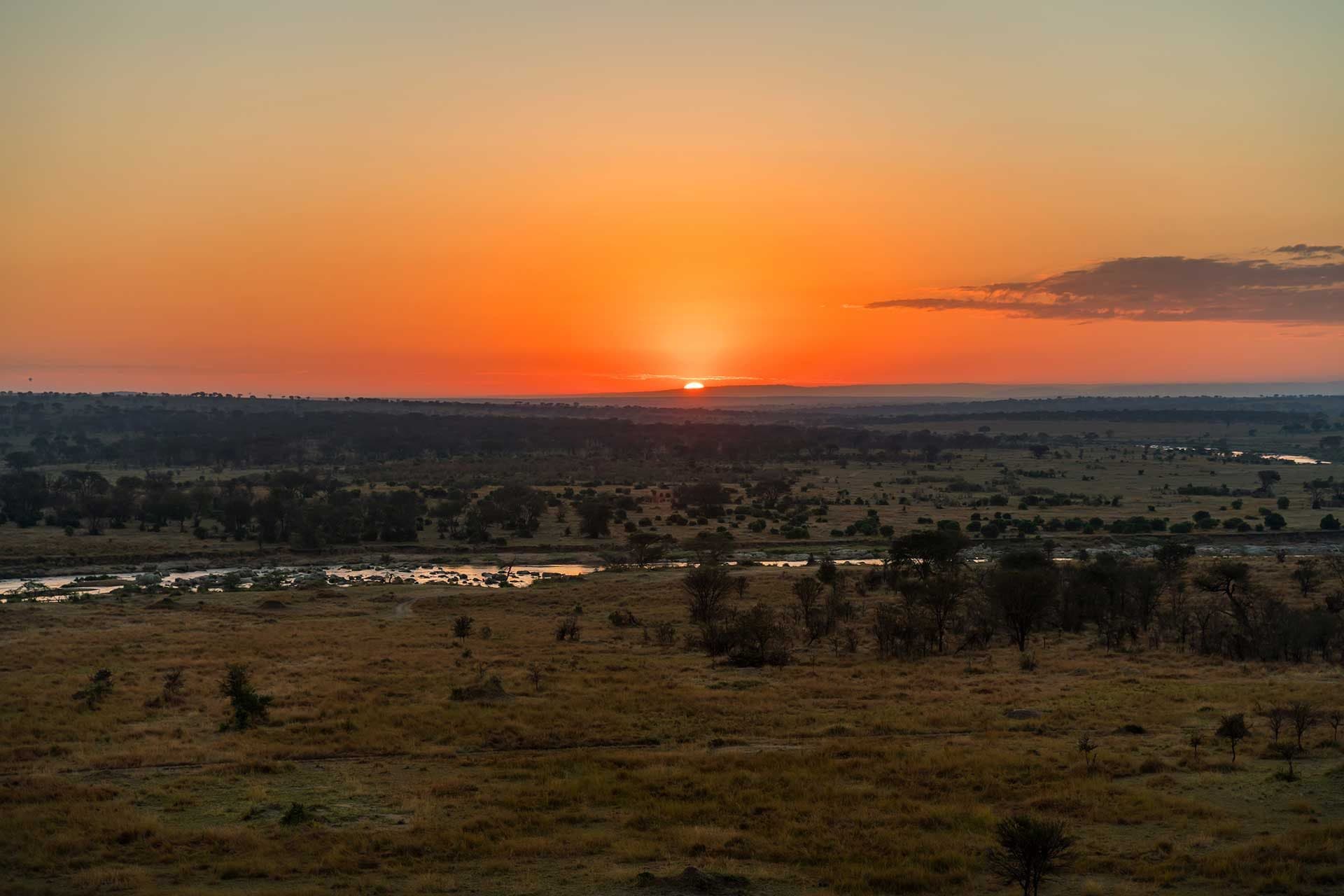
The Maasai Mara and the Serengeti are the same landscape with a border through the middle of it. These routes cross at Namanga and cover both.
- Route
- Nairobi in, Arusha out, crossing at Namanga
- Routes we run
- 4 canonical routes
- Trip length
- 9 to 12 days
- Border crossing
- By road via Namanga; entry arrangements confirmed before travel
Why Kenya & Tanzania
The only way to understand how large this ecosystem actually is.
Seeing the Mara and then the Serengeti, five or six days apart, is the clearest demonstration that they are one place with a line drawn across it.
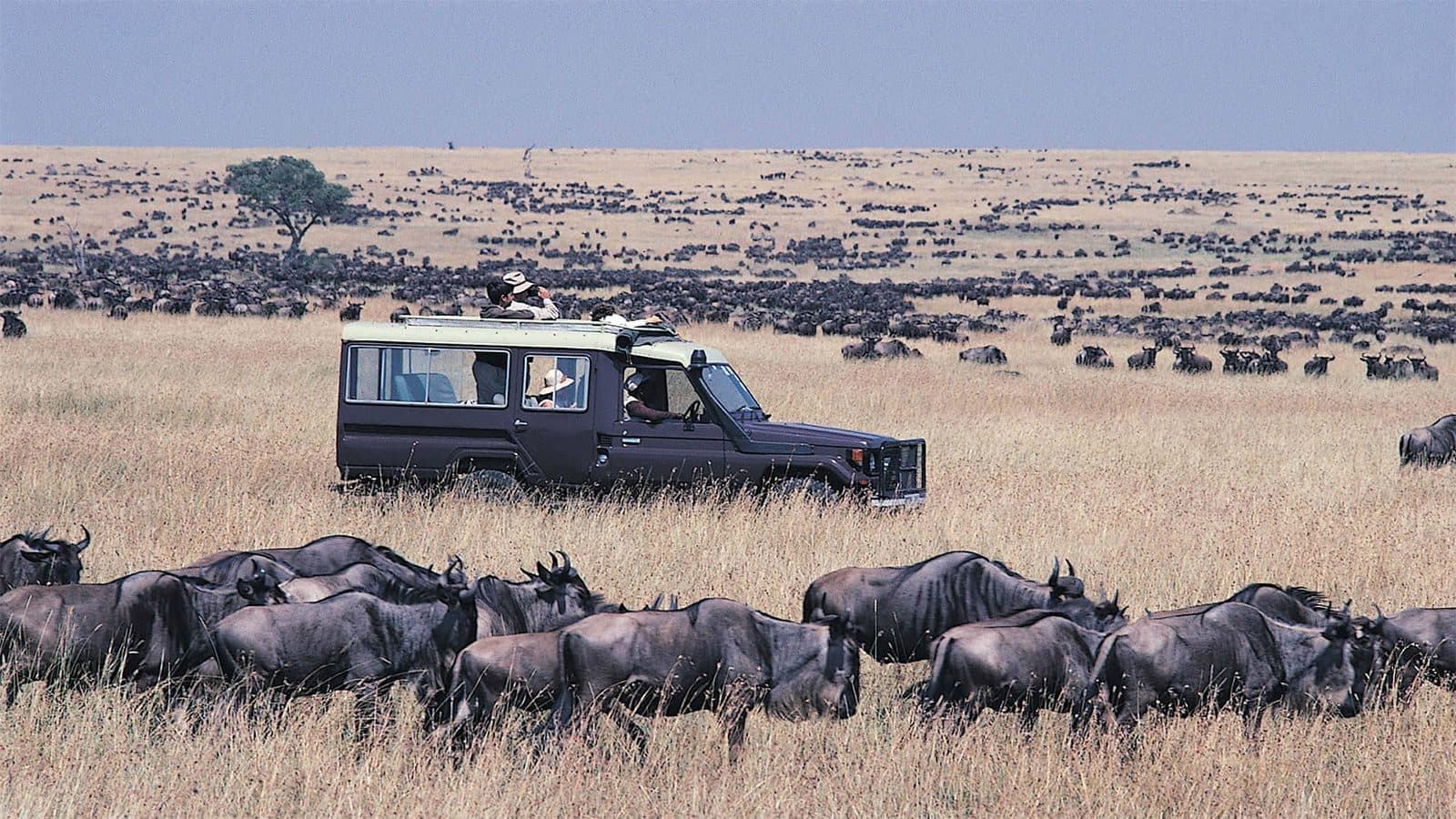
The wildlife does not recognise the border. Roughly 1.3 million wildebeest and several hundred thousand zebra move between the two on a loop driven by rainfall, and the resident predator populations on both sides are part of the same networks.
What changes across the border is everything else: the scale of the landscape, the density of vehicles, the character of the camps and the road system. Arriving in the Serengeti after a week in Kenya is the moment most travellers register how big it is.
These are longer trips by necessity — nine days minimum, and twelve for the version with a full stationary day in the Serengeti. Below nine days a cross-border route spends too much of itself travelling.
- A full day in the Maasai Mara and time in the Serengeti on every route
- Both black and white rhino at Lake Nakuru, and black rhino on the Ngorongoro Crater floor
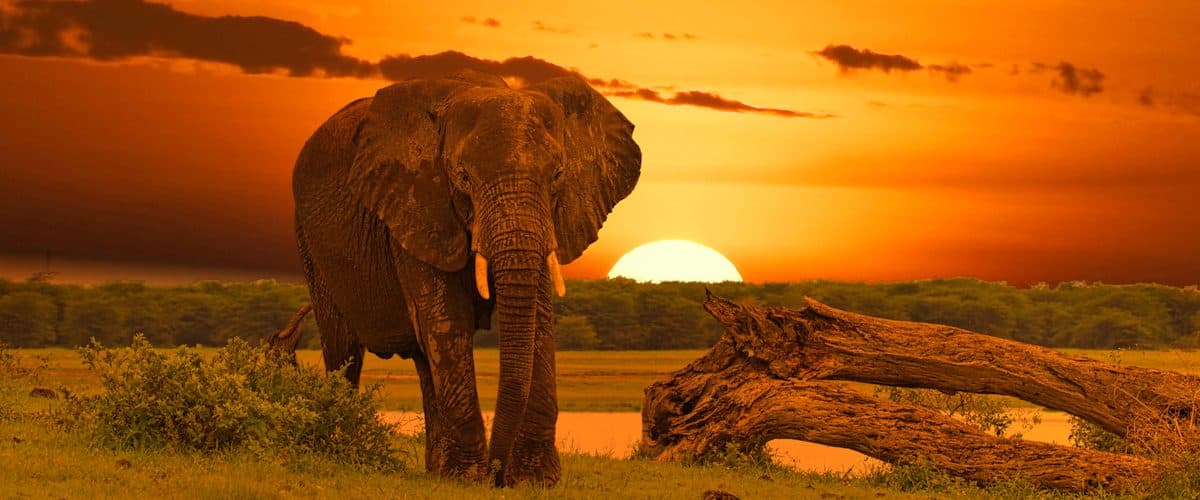
- Elephant herds beneath Kilimanjaro in Amboseli on most routes
- A road border crossing at Namanga, coordinated by one operator on both sides
- One trip that changes character halfway through, rather than more of the same
Where to go
Both sides of the line.
Six places carry the cross-border circuits. Three are Kenyan, three Tanzanian, and the contrast between them is the point.
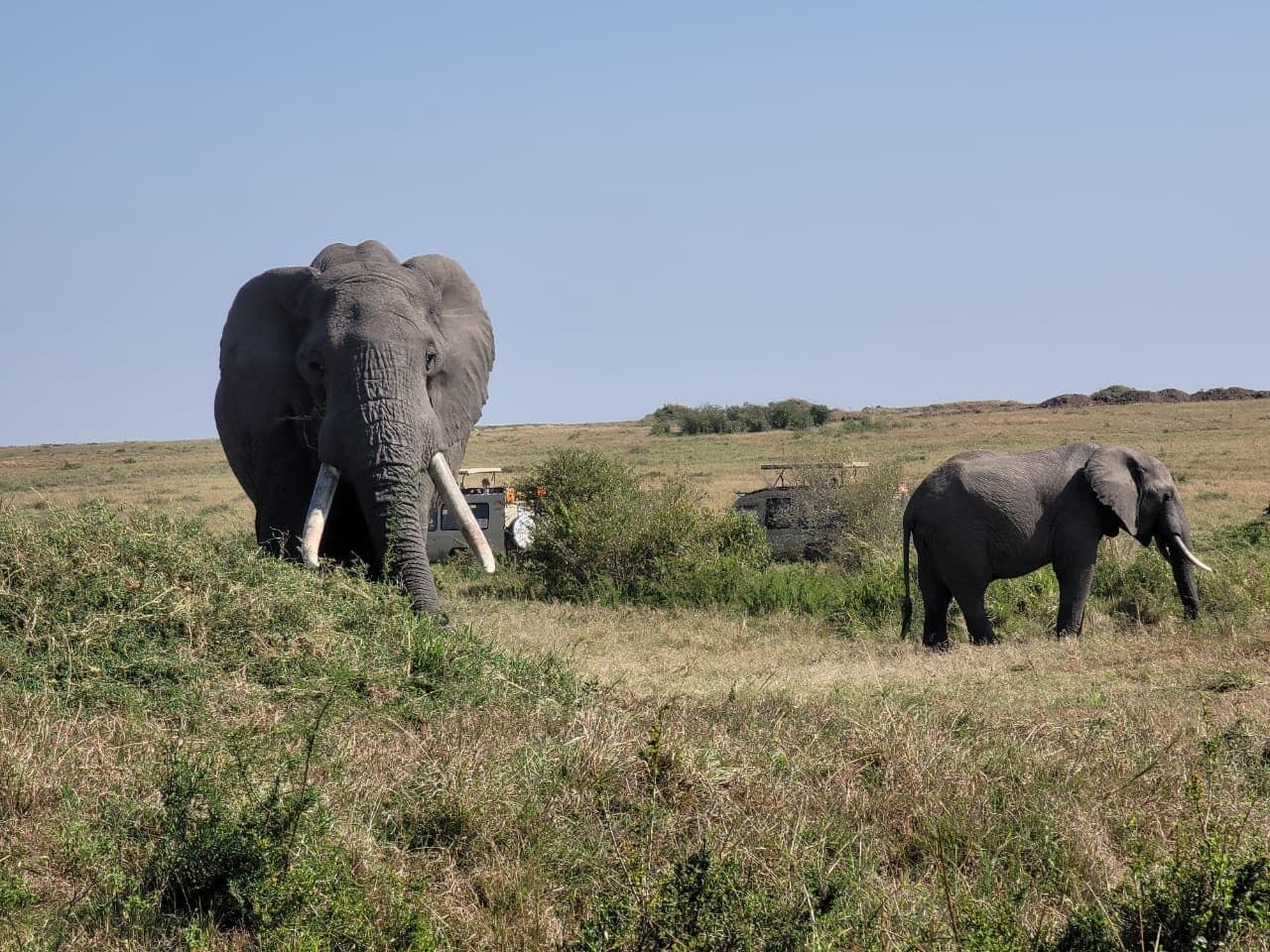
Maasai Mara
Open grassland, high predator density, and the northern end of the Serengeti ecosystem.
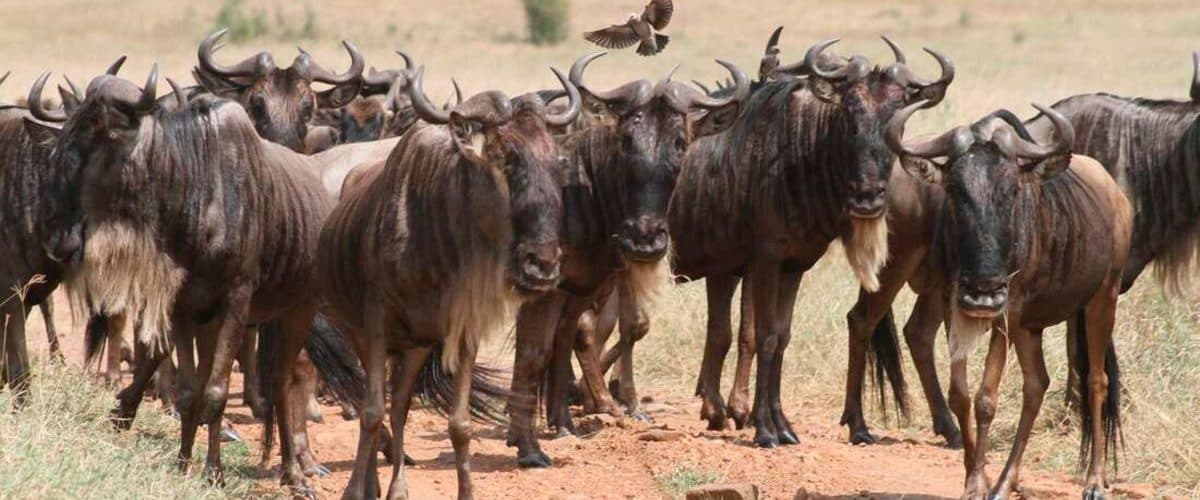
Serengeti
The short-grass plains at the centre of the migration, and the reason the northern circuit exists.
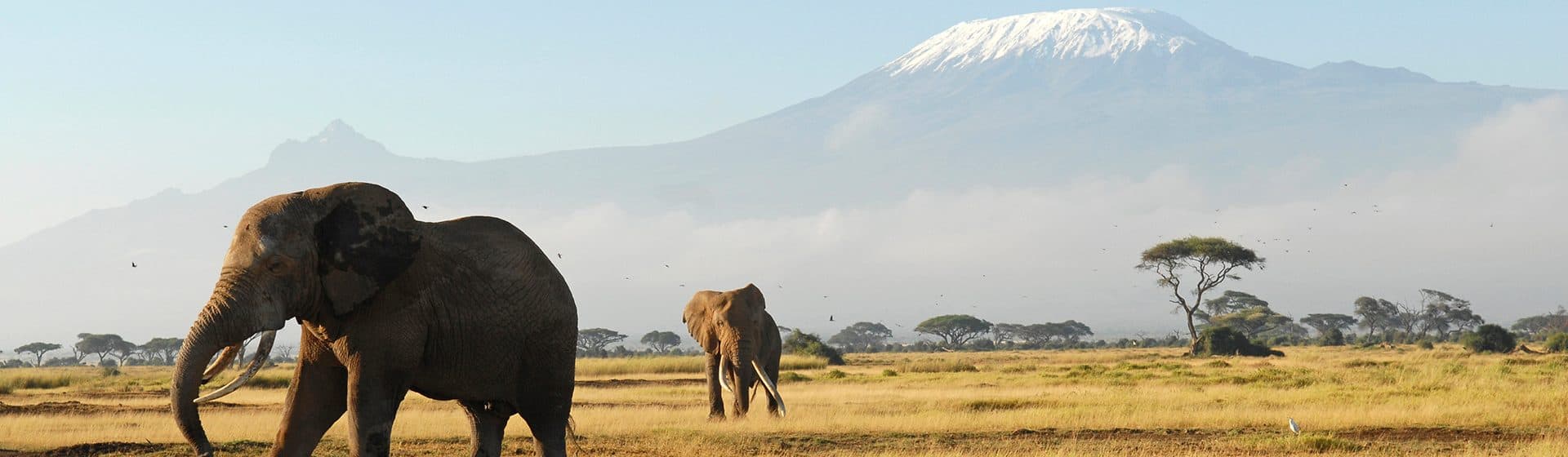
Amboseli
Elephant country beneath Kilimanjaro, with swamps that hold game through the dry months.
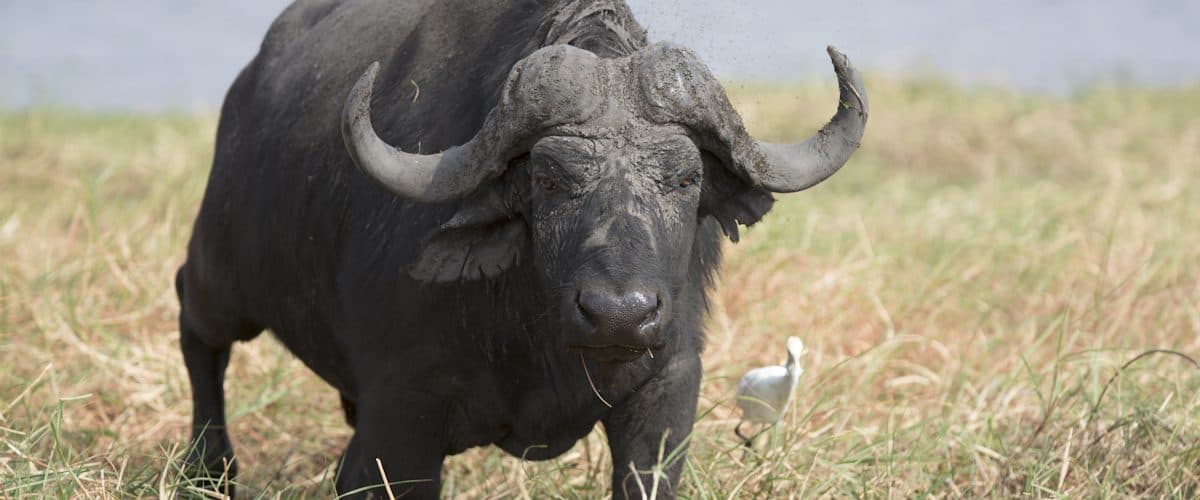
Ngorongoro
An intact volcanic caldera holding a resident population of game on its floor, year-round.
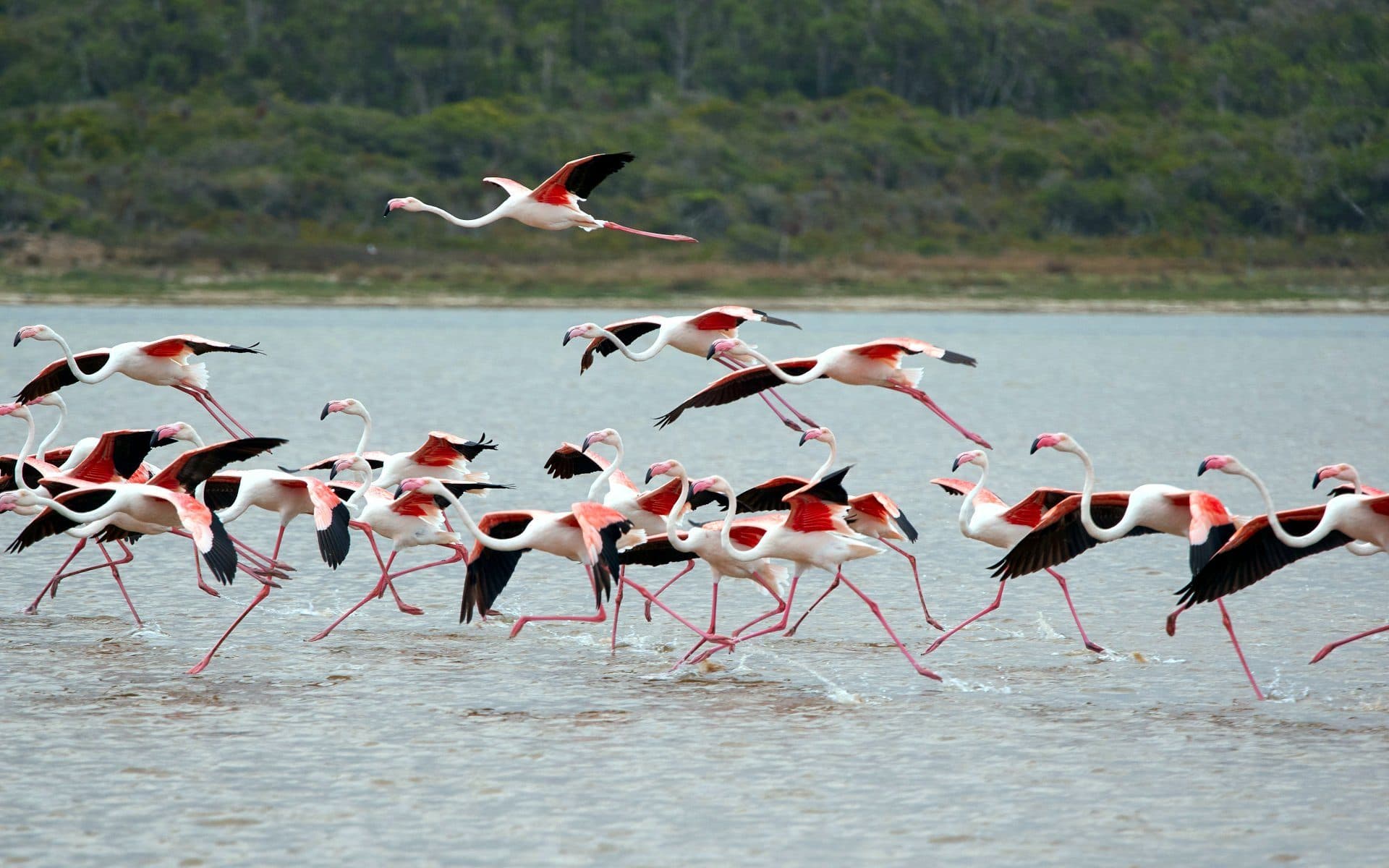
Lake Nakuru
A fenced Rift Valley park built around an alkaline lake, and one of Kenya's best places for rhino.
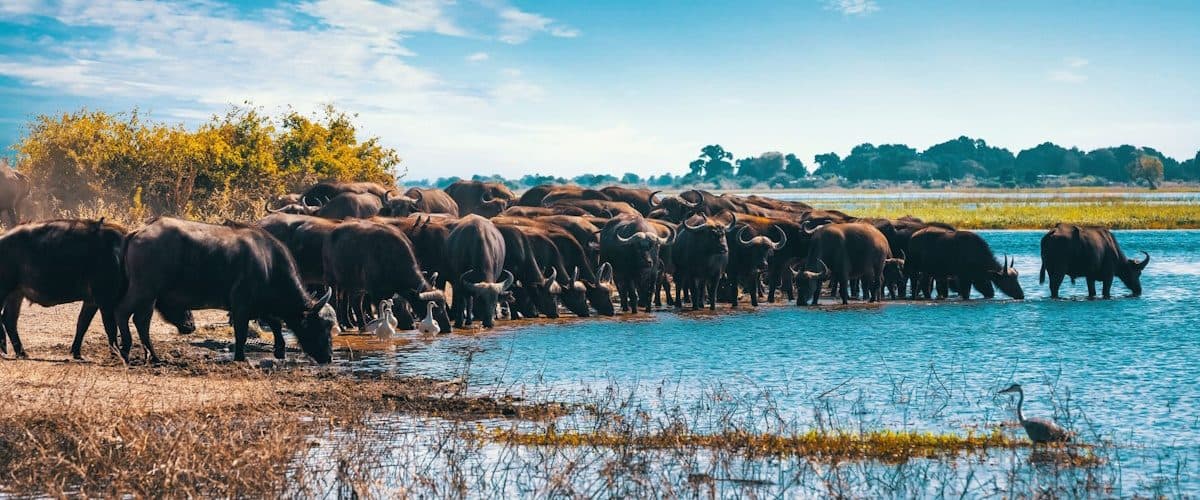
Lake Manyara
A narrow strip between the Rift wall and a soda lake, with groundwater forest at its northern end.
Signature journeys
Cross-border journeys.
Four routes, from nine to twelve days. The difference between them is how much of the Tanzanian side you get.
 Kenya & Tanzania · 9 days
classic safari
9 Days Kenya & Tanzania: Maasai Mara, Lake Nakuru, Lake Naivasha, Arusha, Lake Manyara & Ngorongoro
The Kenyan Rift Valley, then across the border to Manyara and the crater.
Nairobi · Maasai Mara · Lake Nakuru · Lake Naivasha · Namanga · Arusha · Lake Manyara · Ngorongoro · Arusha
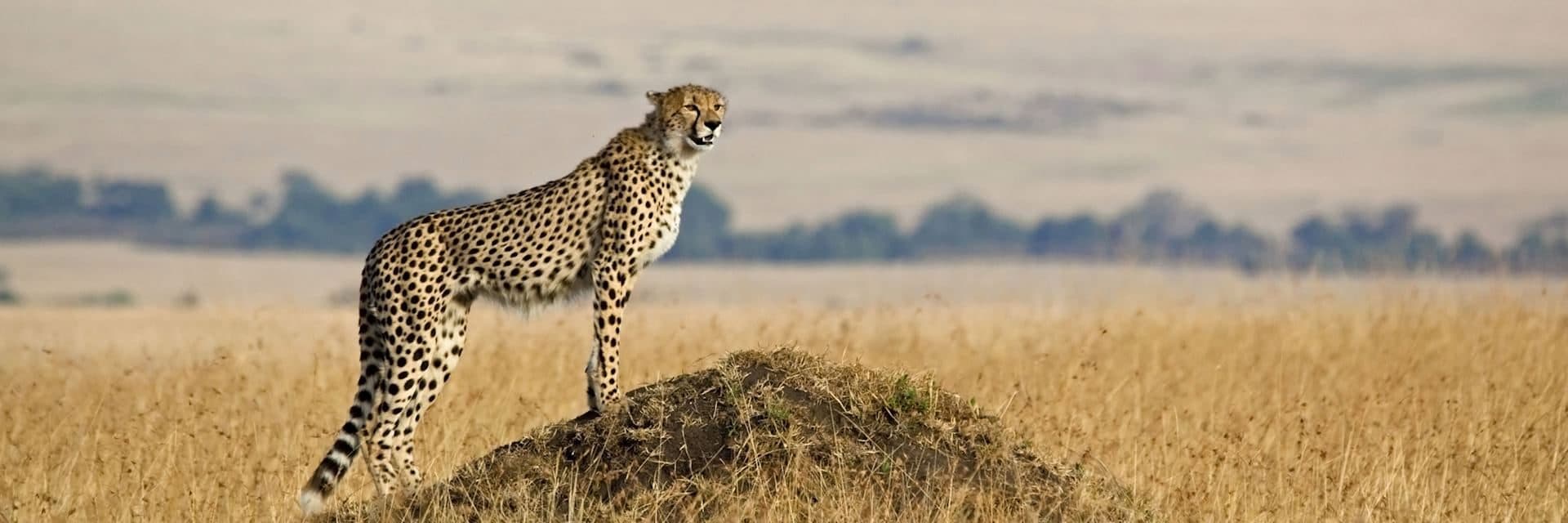 Kenya & Tanzania · 10 days
classic safari
10 Days Kenya & Tanzania: Maasai Mara, Lake Nakuru, Amboseli, Arusha, Serengeti & Ngorongoro
One ecosystem seen from both sides, plus Kilimanjaro's shadow in between.
Nairobi · Maasai Mara · Lake Nakuru · Amboseli · Namanga · Arusha · Serengeti · Ngorongoro · Arusha
 Kenya & Tanzania · 11 days
classic safari
11 Days Kenya & Tanzania: Maasai Mara, Lake Nakuru, Amboseli, Arusha, Lake Manyara, Serengeti & Ngorongoro
The ten-day circuit with Lake Manyara added, and less driving on the Tanzanian side.
Nairobi · Maasai Mara · Lake Nakuru · Amboseli · Namanga · Arusha · Lake Manyara · Serengeti · Ngorongoro · Arusha
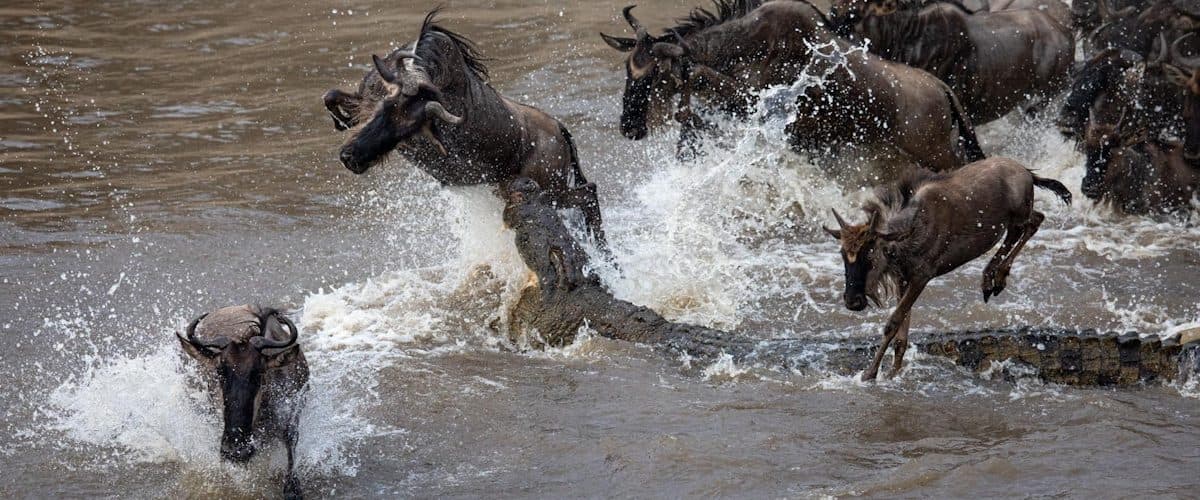 Kenya & Tanzania · 12 days
classic safari
12 Days Kenya & Tanzania: Maasai Mara, Lake Nakuru, Amboseli, Arusha, Lake Manyara, Serengeti & Ngorongoro
The longest cross-border circuit, with a full stationary day in the Serengeti.
Nairobi · Maasai Mara · Lake Nakuru · Amboseli · Namanga · Arusha · Lake Manyara · Serengeti · Ngorongoro · Arusha
Best time to visit
When to cross.
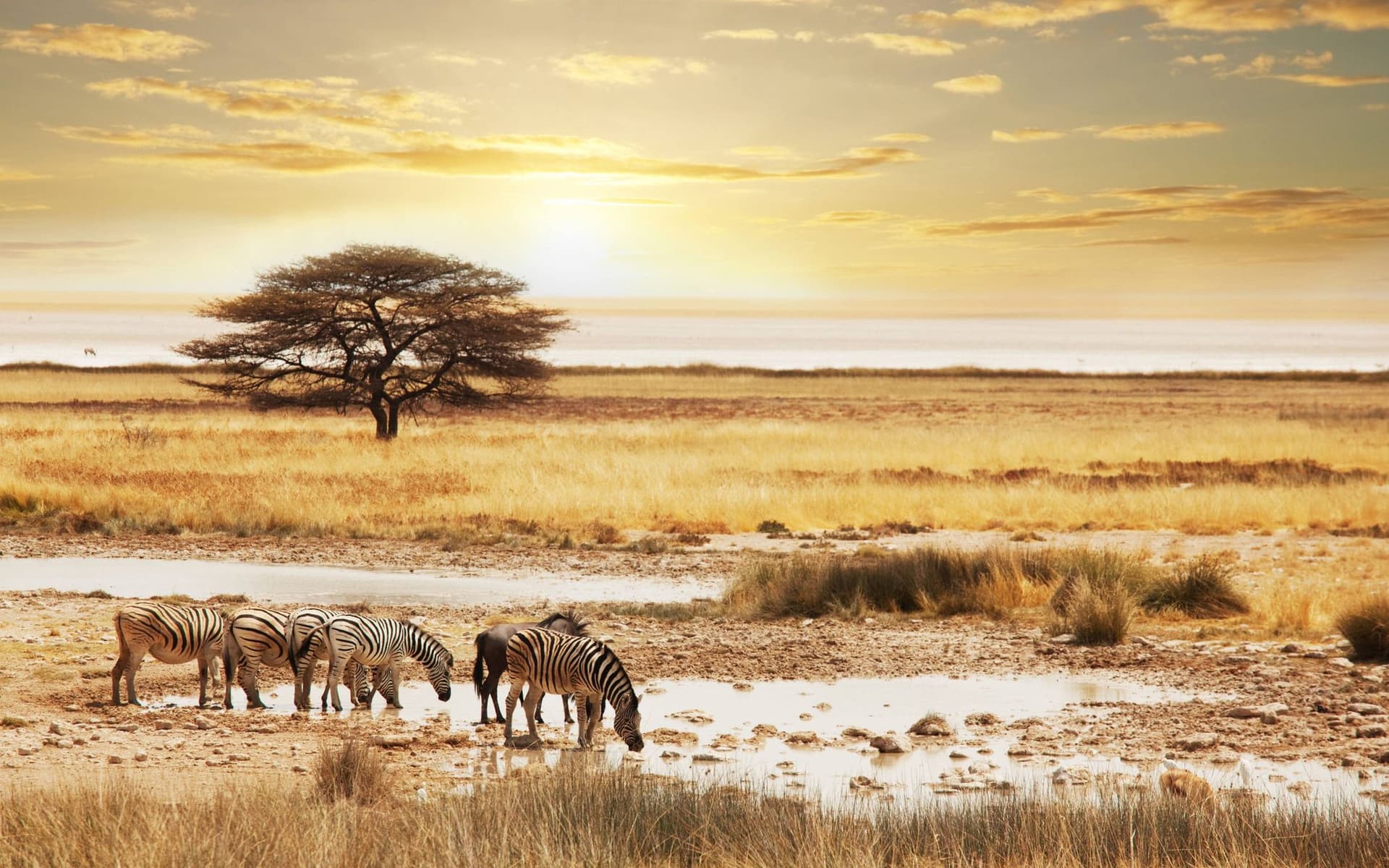
A cross-border trip is the least month-sensitive way to travel here, because it covers both ends of the ecosystem.
- July – OctoberHerds usually in the Mara, with crossings possible; the northern Serengeti is also active. The busiest and most expensive window on both sides.
- December – MarchCalving on the southern Serengeti plains, with Kenya dry, warm and quiet. An excellent and underrated combination.
- June, NovemberShoulder months. Fewer vehicles, good rates and reliable game viewing on both sides.
- April – MayLong rains. Green and very quiet, with the lowest rates. Some camps close and the Ngorongoro rim is often in cloud.
The Great Migration
Both ends of one loop.
The wildebeest calve on the southern Serengeti plains around February, move north and west through the middle of the year, and reach the Maasai Mara from roughly July. They turn south again with the short rains.
Because these routes cover both countries, they give you the best odds of intersecting the herds whatever month you travel — but movement follows rainfall, not a schedule, and we will tell you what is typical for your dates rather than promising a crossing.
Migration safaris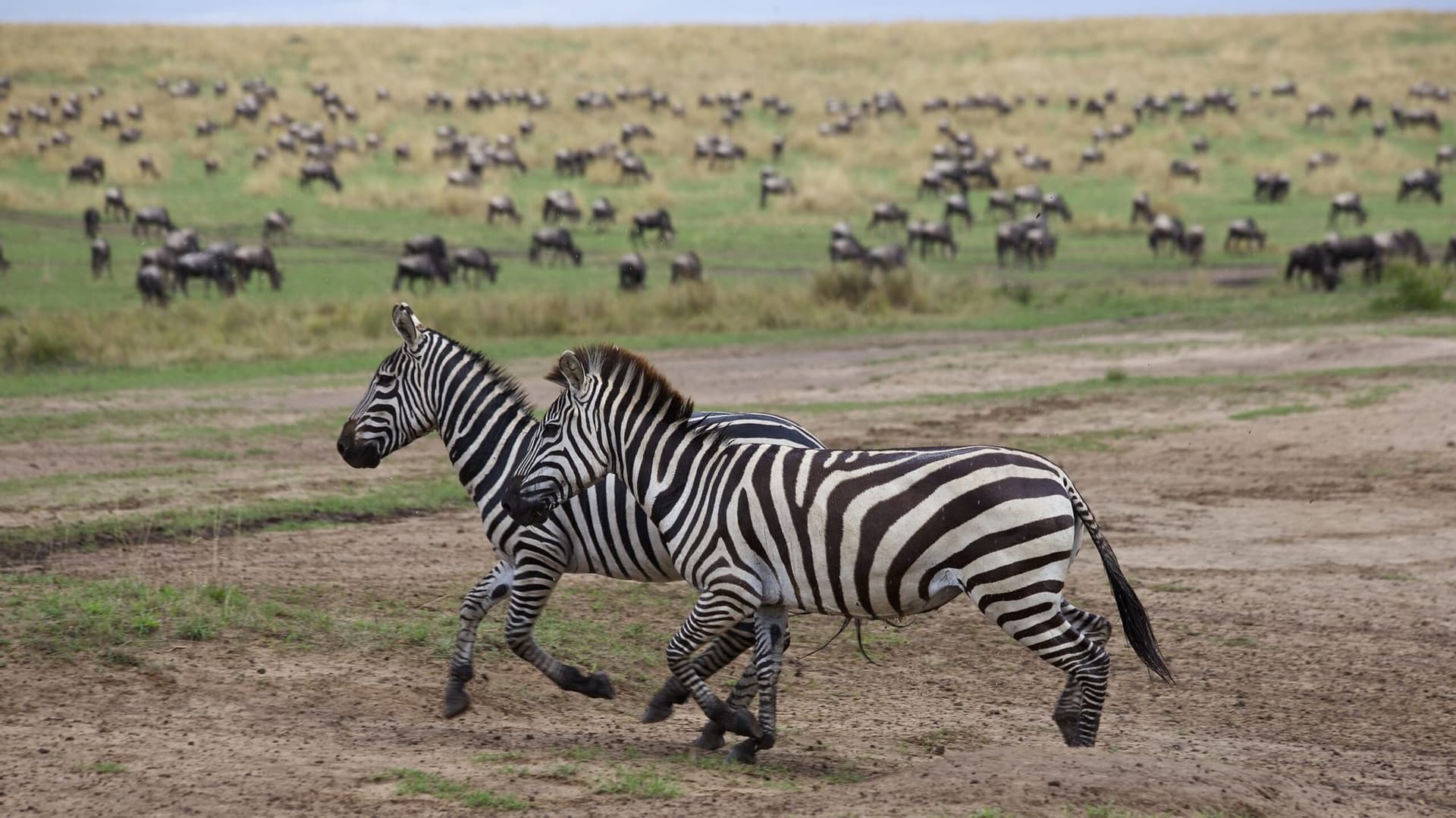
Safari styles
Ways to travel in Kenya & Tanzania.
The same ground can be covered in very different ways. These are the shapes we run most often.
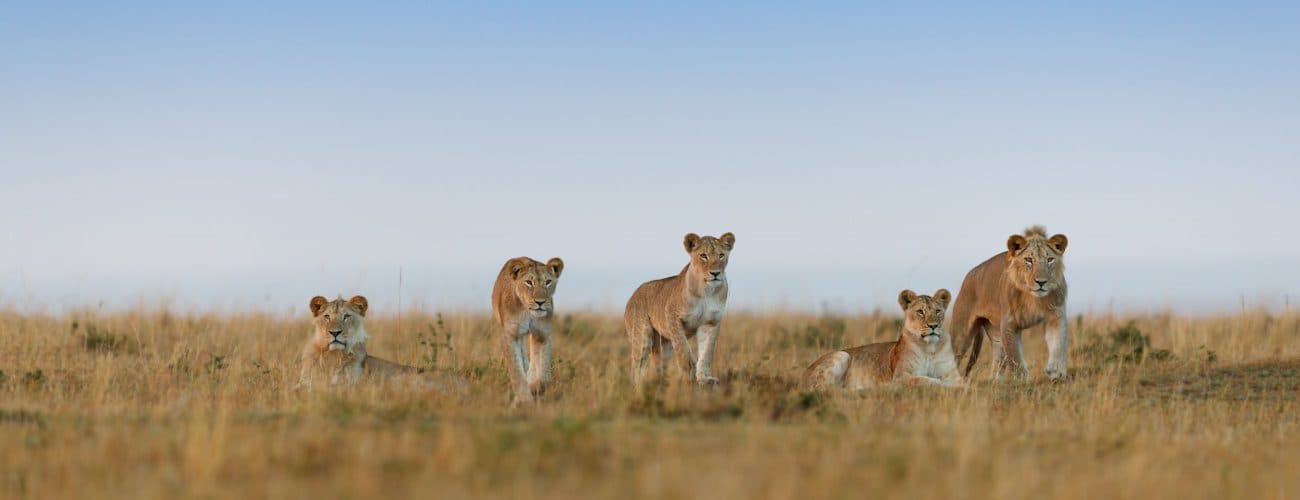
Kenya & Tanzania
Combined circuits that cross at Namanga and cover both the Maasai Mara and the Serengeti.
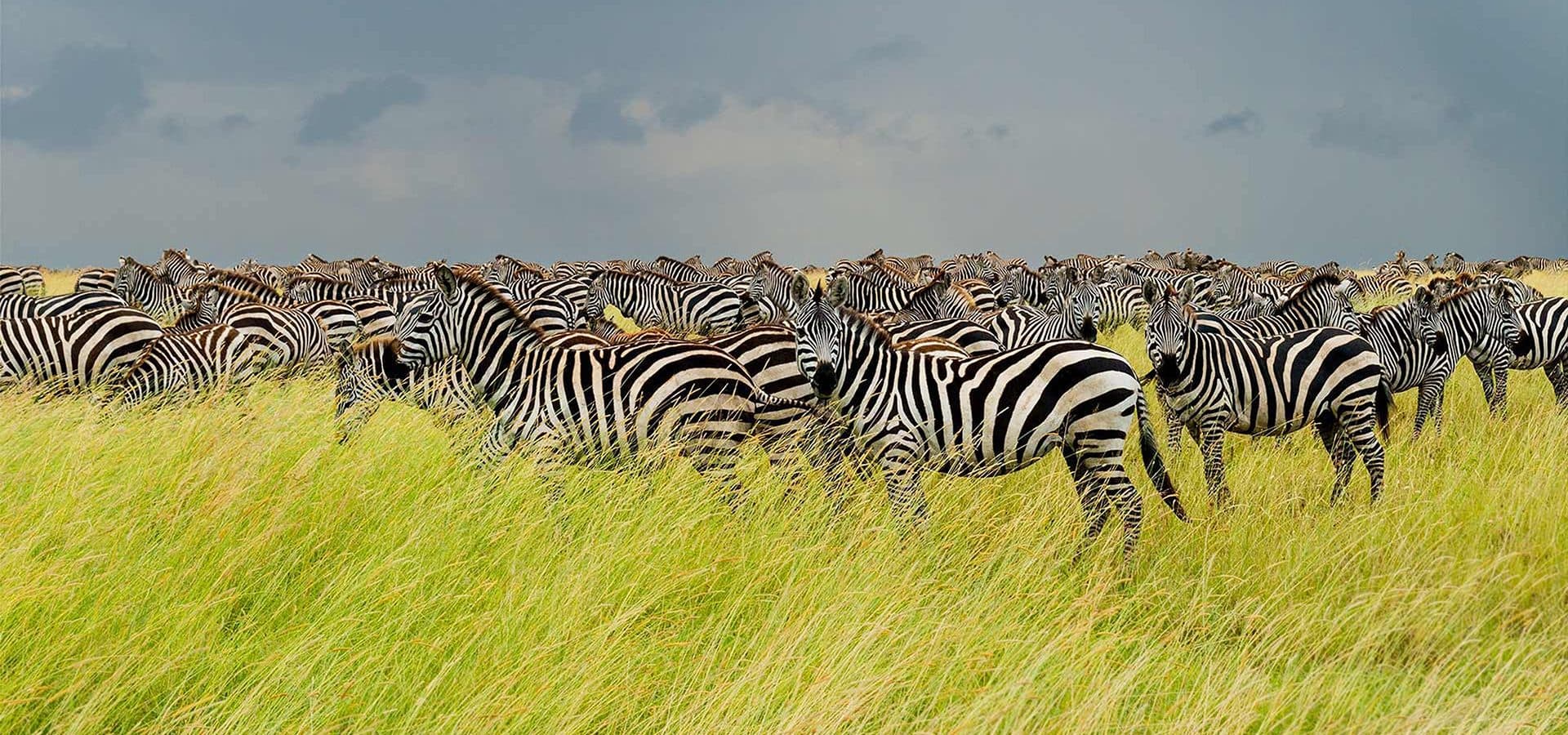
Great Migration
Season-aware routes built around the herds' movement through the Serengeti and the Maasai Mara.
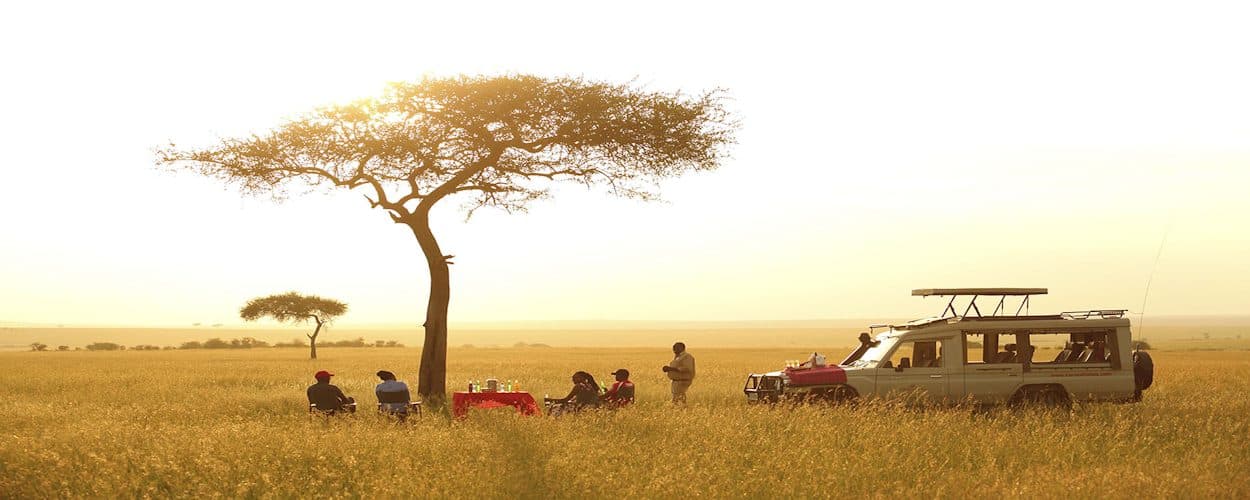
Classic Safari
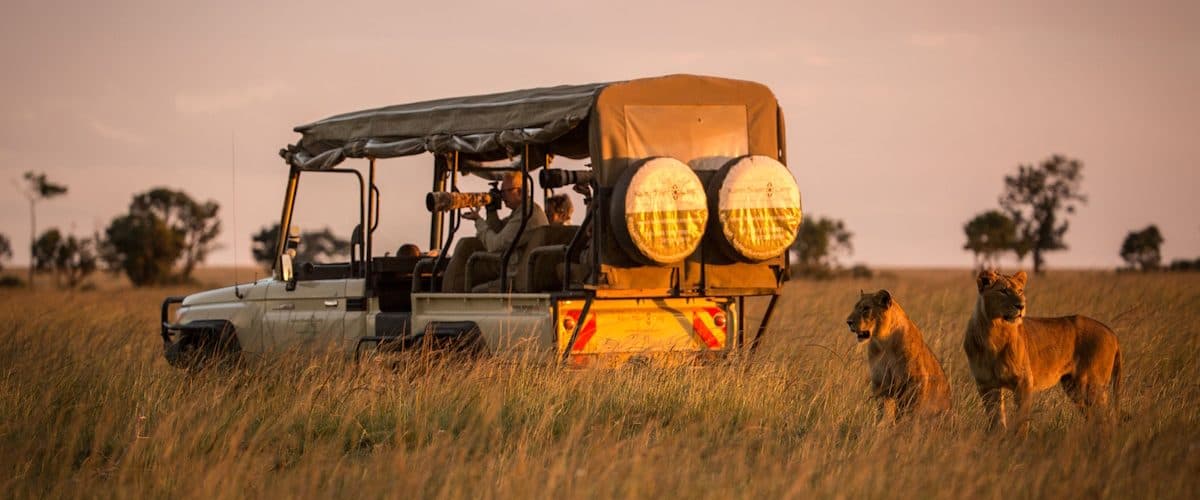
4×4 Safari Land Cruiser journeys with time to watch, listen and follow the day as it unfolds.
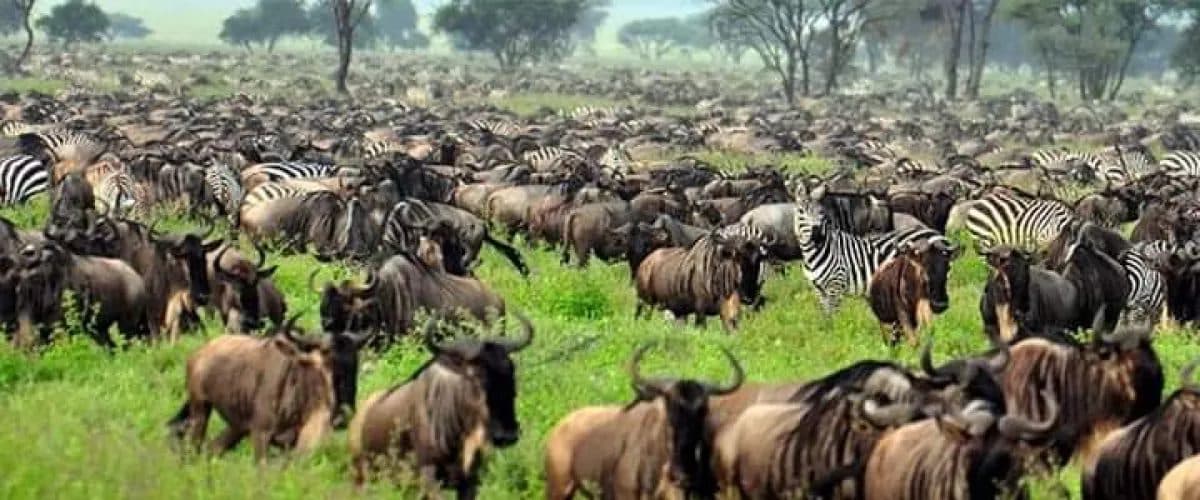
Photography Safari
Longer sightings and routes built around light, patience and photographic opportunity.
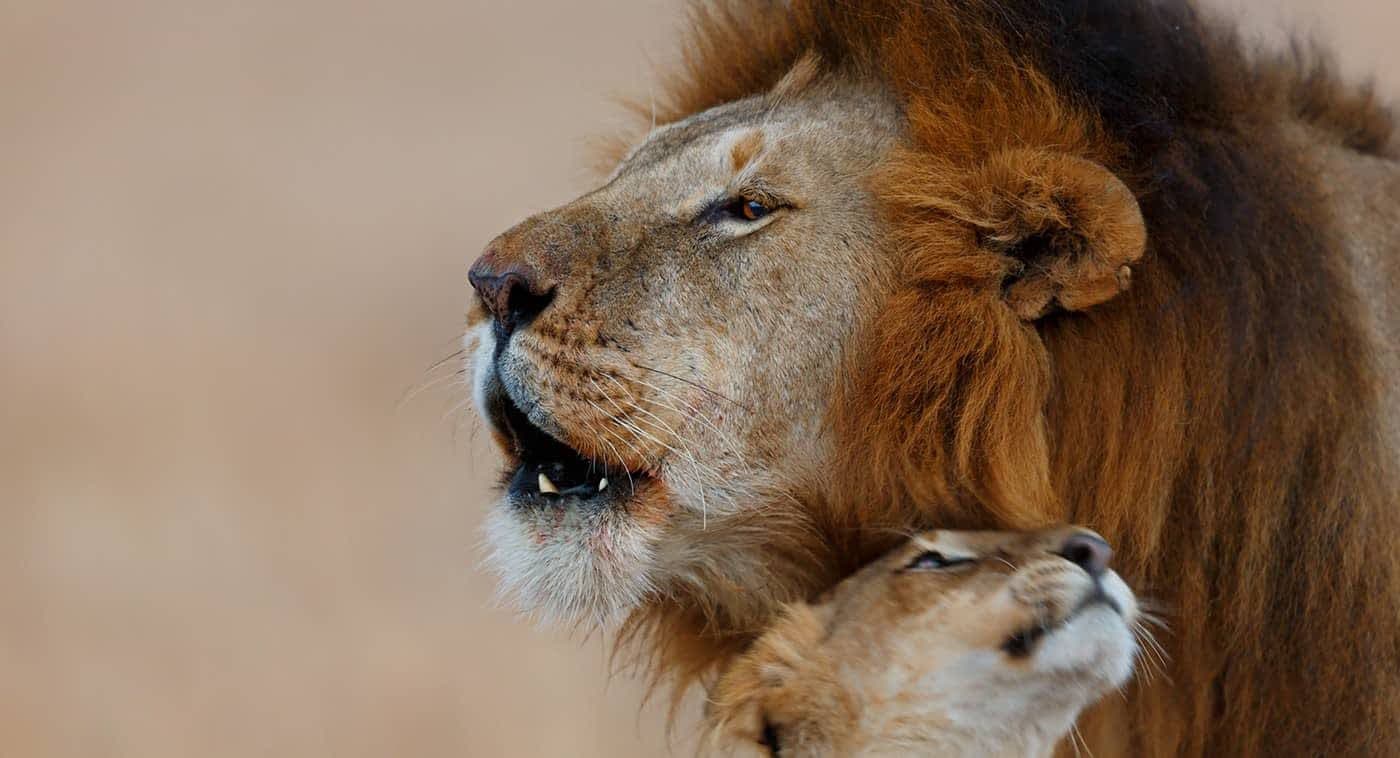
Private Safaris
A private vehicle and driver-guide, so the day is shaped around you rather than a shared group.
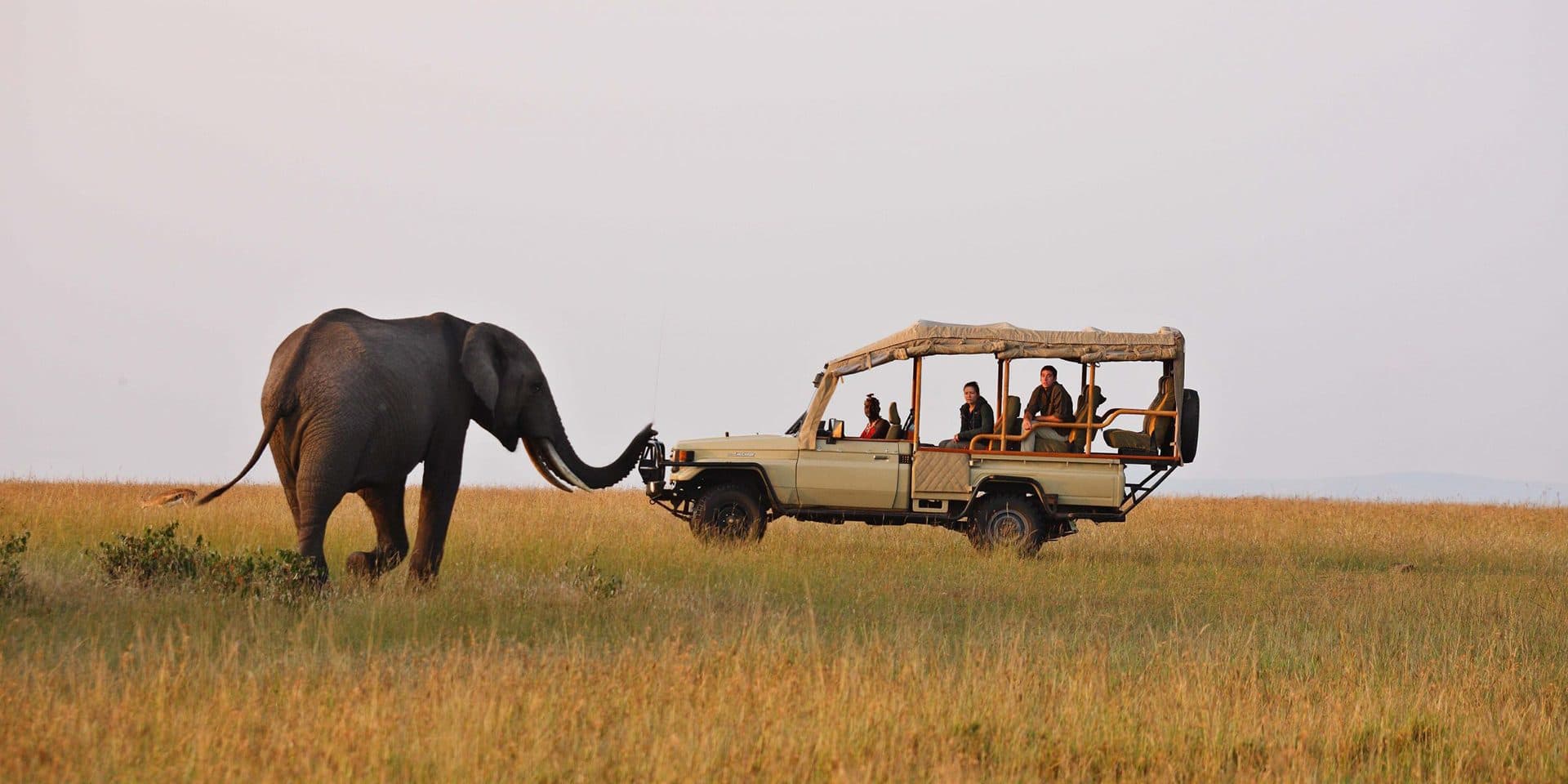
Family Safaris
Considered pacing, suitable stays and safari days designed around shared discovery.
Safari and beach
Finishing on the coast.
Because these routes end in Arusha, Zanzibar is the natural extension — a short flight, then three or four nights on the coast before flying home.
Beach extensions are not part of the current catalogue routes, so we quote them as a tailor-made addition against your dates and the flights that actually exist for them.
On the ground
One trip across two countries.
The route crosses by road at Namanga and continues toward Arusha. We confirm the practical border, guide and vehicle arrangements for your dates before departure.
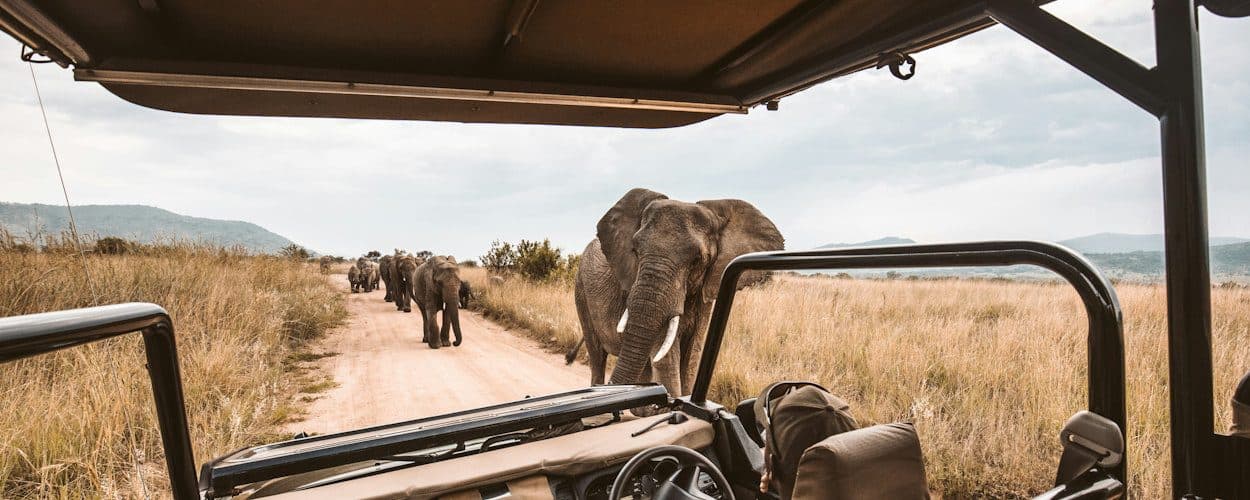
Road safari transport uses a 4×4 Safari Land Cruiser. Visa and entry costs are confirmed in the final quotation.
Traveller reviews
What travellers said.
Ndurumo’s SafariBookings operator profile currently shows 4.8 out of 5 from 33 reviews, recorded September 2026. We do not reproduce review text here without the reviewer’s own wording, date and source confirmed, so the reviews page points you to the platforms instead.
Planning
Practical Kenya & Tanzania information.
- BorderCross by road at Namanga and continue toward Arusha; allow time for formalities.
- VisasYou need entry for both countries. The East Africa Tourist Visa covers Kenya, Uganda and Rwanda but not Tanzania, which is issued separately.
- Vehicles4×4 Safari Land Cruiser transport; country-specific arrangements confirmed before travel.
- FlightsMost travellers fly into Nairobi and out of Kilimanjaro International. Open-jaw tickets usually price better than a return to one city.
- CurrencyUS dollars work across both countries for fees and tips. Bring notes issued in 2009 or later.
Route inspiration
Three ways to shape a Kenya & Tanzania trip.
- 01
Nine days without the Serengeti
The shortest cross-border route trades the Serengeti for Lake Manyara and the crater, which keeps the driving manageable and still gives you two countries. See the route
- 02
Ten days, the flagship circuit
Mara, Nakuru and Amboseli in Kenya, then the border at Namanga, the Serengeti and the crater. This is a catalogue priority route. See the route
- 03
Twelve days, with a day that stays put
The full version adds a stationary day in the Serengeti — no packing, no transfer. If the Serengeti is why you are coming, take this one. See the route
Field journal
Reading before you go.
Kenya or Tanzania: where should a first safari begin?
They share an ecosystem and a border. The differences that matter are practical ones.

What to pack for an East African safari
Less than you think, in fewer colours, with one warm layer people always forget.
What a day on safari actually looks like
Early starts, long middles and the best light at both ends.
Questions
Kenya & Tanzania safari questions.
How does the border crossing actually work?
You cross by road at Namanga and continue toward Arusha. Your final itinerary confirms the guide, vehicle and entry arrangements for the crossing.
Are visas included?
Visa and entry costs are listed as exclusions unless your final quotation explicitly includes them. Check the entry requirements for your nationality before travel.
Do I need a multiple-entry Kenyan visa?
On these routes, no — you enter Kenya once and leave from Tanzania. If your flights route you back through Nairobi at the end, tell us when you enquire so we can flag it.
Is nine days really the minimum?
For a cross-border trip, yes. Below that the border crossing and the Arusha transit consume too much of the trip. If you have less time, a single-country route will give you far more safari.
Which airports should I book?
Most travellers fly into Nairobi and out of Kilimanjaro International. An open-jaw ticket usually prices better than a return, and it saves a day you would otherwise spend doubling back.
Will I see the migration on both sides?
Possibly, depending on the month. Covering both ends of the ecosystem gives you the best odds of intersecting the herds, but their movement follows rainfall. We will tell you what is typical for your dates.
Plan your safari
Plan my Kenya & Tanzania safari.
Tell us your dates and party, and we will come back with two or three Kenya & Tanzania routes that fit — and say why we would pick one over the others.
A guided enquiry, not an instant booking. No obligation.